Tickets, meeting point, what happens
Museum Māori performance guide
How to book the Māori cultural performance at Auckland Museum: what the combined ticket covers, where to meet, how the session runs and what is closed.
Reserve your place at the performance ↗Quick answer
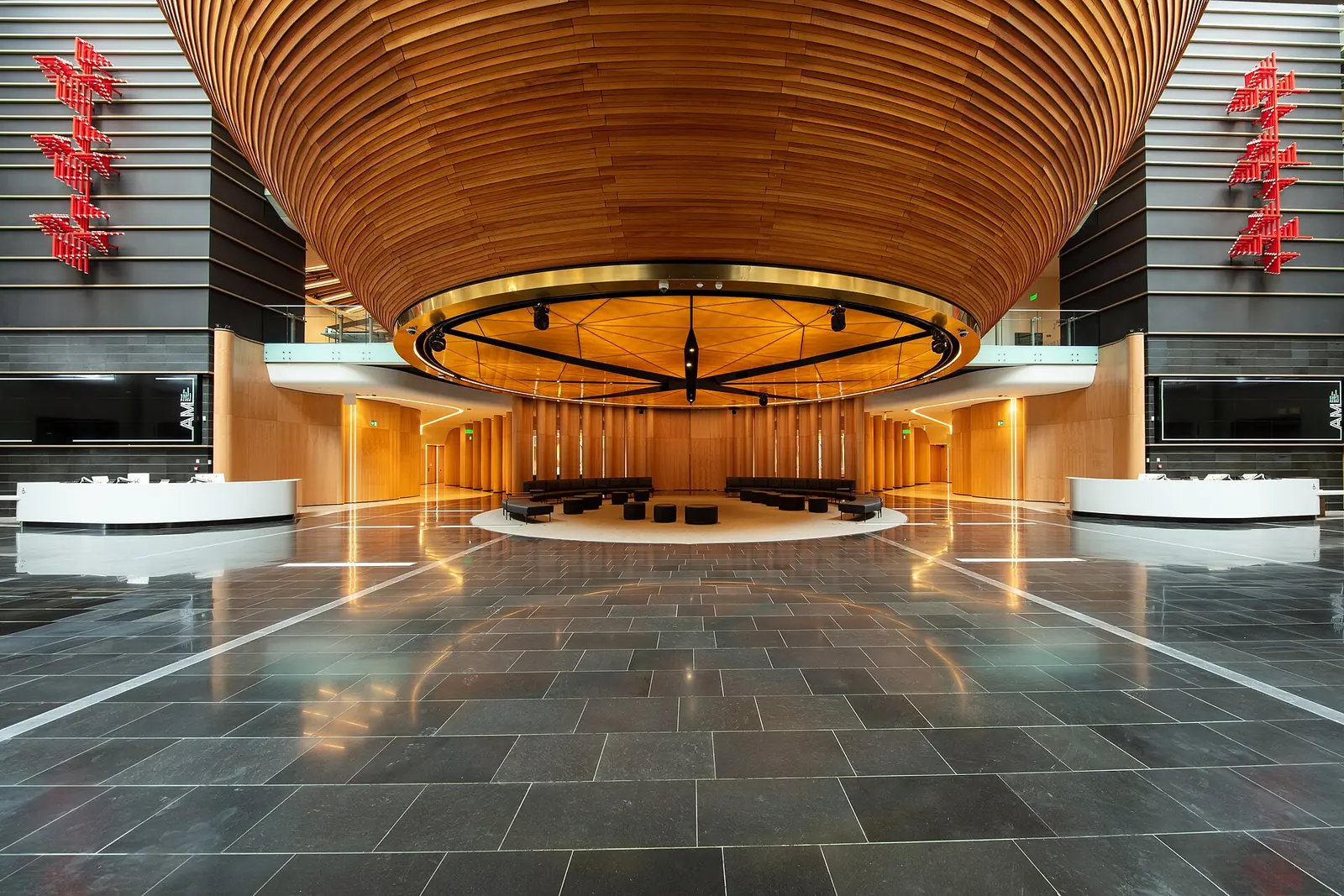
The Māori cultural performance at Auckland Museum is a session led by indigenous artists and orators: songs, poi skills and storytelling, with the origins and meaning of the haka explained. The combined ticket adds general admission to the museum, valid for one day. The museum asks you to meet in the Auditorium Lobby on Level 2 ten minutes before the session starts. Choose a date and session in the booking calendar, because sessions are likely to sell out.
What the ticket covers
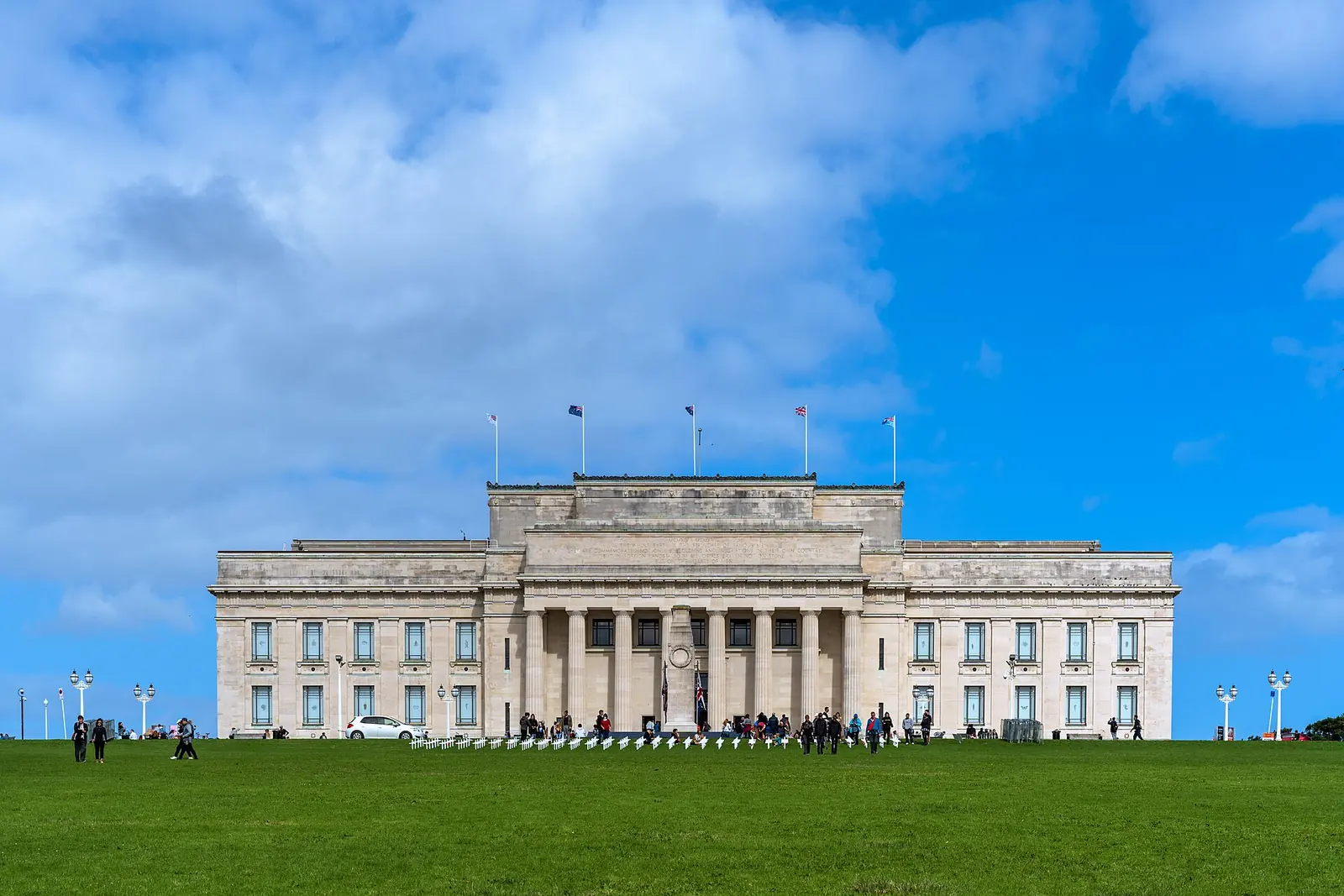
One ticket pays for a Māori cultural performance and for general admission to Auckland Museum. The performance is led by a group of indigenous artists and orators, and the ticket is valid for one day, so the galleries stay open to you before and after your session. The languages offered are English and Māori. Nothing to eat or drink may go into the galleries, and luggage or large bags are barred as well, so decide where your bags will go before you arrive. A museum-only ticket is sold as a separate listing, and the museum also sells the performance on its own website. If the performance is the reason you are coming, the combined ticket keeps both on one booking, which is the simplest way to arrive with everything in order.
What happens in the session
The museum describes the session as an immersive introduction to Māori culture by a group of esteemed indigenous artists and orators. You hear songs, see poi skills in action and learn about the endurance of Māori people through history. The origins, traditional uses and differences of the haka are explained, and the museum calls the haka a well-known and powerful ritual. The session is titled Living Taonga. Taonga is the Māori word for a treasure, or something prized, and the museum presents Māori culture as a living taonga of Aotearoa New Zealand. Treat it as a performance with explanation built in, and arrive ready to listen as well as watch.
Read next: Kapa haka explained
Tapu, and what the briefing is for
The museum says its Māori performance is tapu, which it translates as sacred. Before you enter the auditorium, you are briefed on protocols that allow the museum to respect and preserve customs and traditions. Treat that briefing as the rules for the session: listen to it, follow what the hosts ask, and put questions to them if you are unsure whether something is allowed. The guide to kapa haka explains the song and dance forms you may hear named, and the guide to the haka explains what that part of the programme is. The museum's own briefing outranks anything written on this site, because the people giving it are the ones responsible for the session.
Where to meet and when to arrive
The museum asks you to meet ten minutes before the session starts, in the Auditorium Lobby on Level 2. The ticket's meeting point is the museum itself, in Parnell, Auckland 1010. Allow time to find the lobby, and use a self-service locker if your bag is too large to take into the galleries. The museum's conditions of entry say that if you arrive late to an event or programme, you may not be admitted, or you may have to wait until there is a suitable break. They also say photographic identification may be required before entry to some exhibitions and events, so carry identification with you. Treat the ten minutes as the minimum, not the target.
Read next: Getting to Auckland Museum
Choosing a session and booking it
You book through the GetYourGuide calendar by picking a date, a party size and a session, and the confirmation then gives the time. The museum's own page lists two sessions a day, and the calendar lists those still open on the date you pick. Bookings are essential and subject to availability, and the performance is likely to sell out, so book ahead for the date that matters to you. Cancelling is free until 24 hours before the session, with a full refund, and the ticket can be reserved now and paid for later. No performance is given on Anzac Day, 25 April.
How this differs from booking with the museum
Bought directly from the museum, the performance and general admission are separate tickets, and the museum's page says general admission tickets are required in addition to the performance. General admission is free for Auckland residents who bring proof of an Auckland address or a MyMuseum card, by donation for New Zealand residents from outside Auckland, and ticketed for international visitors. Charges may apply for some special exhibitions, events and experiences, and the performance is one of the things sold on its own terms. The combined ticket on this site suits visitors who pay general admission. If you live in Auckland, read the museum's hours and admission page before you buy a ticket that includes admission you would not otherwise pay for.
What is closed, and what to see instead
The museum says that some galleries are currently closed, including its Māori Court and Pacific galleries, and that its other galleries still hold Māori collection items and stories of the people of Aotearoa New Zealand. Its exhibitions page lists Te Ripo o Te Moana: Taonga Through Time on Level 1, free with museum entry, which brings together carved wood, weaving, customary painting and body adornment from customary and contemporary Māori art. Closures change, so check the museum's galleries and exhibitions pages for your date before you plan the rest of the day. The guide to galleries after the performance covers the three floors.
Read next: Galleries after the performance
Access, children and bags
Wheelchair access is marked on the ticket. According to the museum, wheelchair users can get to every area but the whare rūnanga Hotonui, and a wheelchair can be borrowed on site but not reserved. The museum's rule is that a child of 13 or under stays with an adult throughout a visit. Tripods and oversized bags are not allowed in the galleries and must go into a self-service locker. Lifts are available to reach the different floors, and certified disability assistance dogs are welcome. Accessible toilets are in the Grand Foyer, the South Atrium and Level One, and the museum accepts the Hāpai Access Card. The guide to getting to the museum covers the entrances, parking and the bus stops.
Reading the session through kapa haka
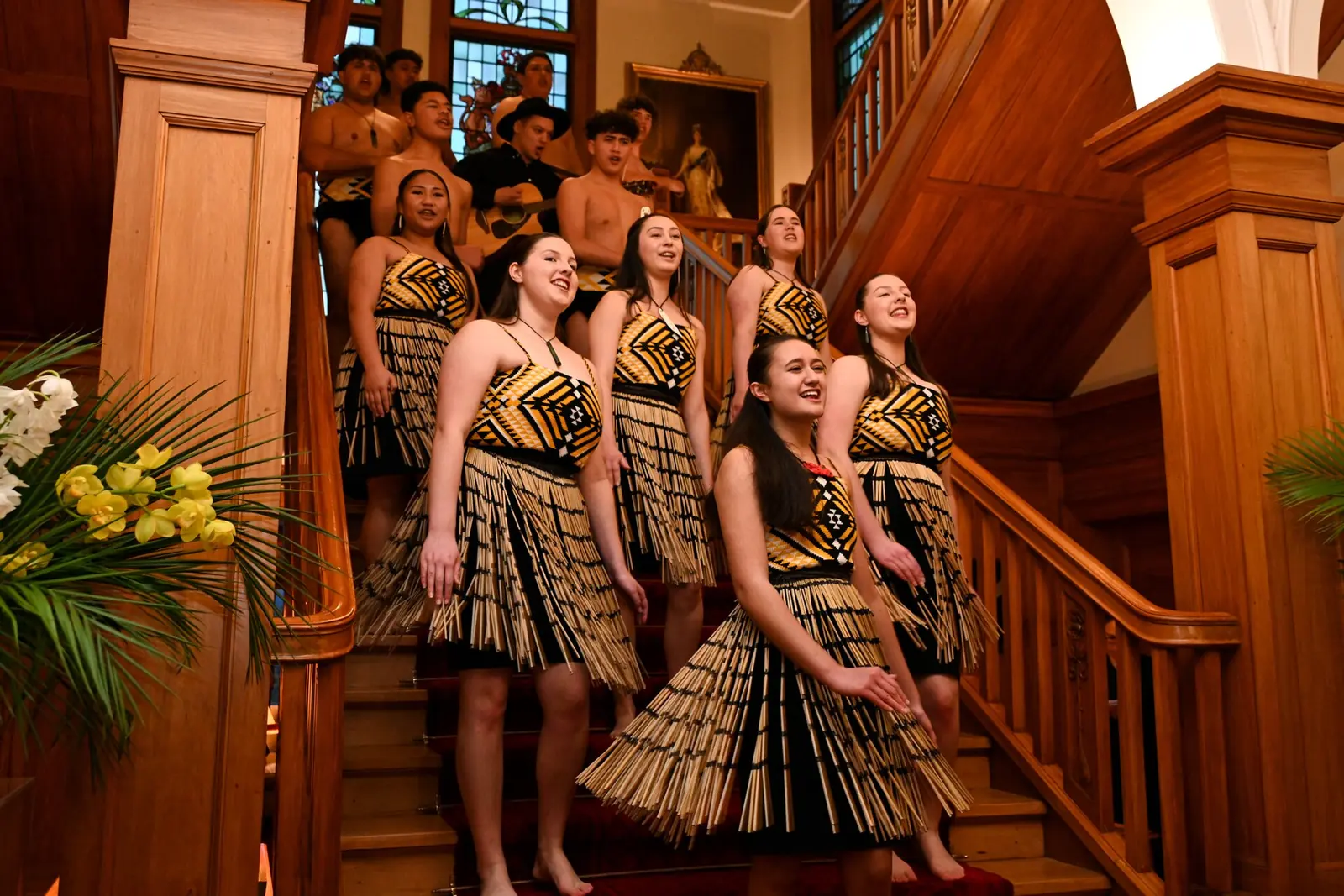
Kapa haka is the name for Māori action songs and for the groups that perform them. A performance of it runs several kinds of song and dance together, sung and moved in time and posture. The museum presents its session in terms of songs, poi and storytelling, with the haka explained, and the programme is the museum's own to vary. Hear the general forms as a guide to listening rather than a checklist, because the museum reserves the right to vary programmes. The national kapa haka festival, Te Matatini, has run since 1972, and its name means many faces.
Other ways to pair the day
Two further Auckland listings sit beside this one. A museum-only entry ticket covers the galleries without the performance, and a harbour sailing cruise with a three-course dinner on the Waitematā Harbour fills an evening afterwards. The museum also runs its own Gallery Highlights Tour, a guided hour across selected galleries on all three floors, meeting at the tour banner in the Grand Foyer and sold separately. The three tickets are sold as separate listings, so the cards on the home page are the place to weigh up fares, ratings and terms. The performance is the part of this ticket that cannot be repeated by walking the galleries, so choose this ticket when it is the reason for the visit.
Who this isn't for
Nobody should expect a dinner show: the ticket buys a museum visit and a performance, and eating and drinking stay out of the galleries. It is not a village visit or a guided city tour either. If you want a long evening programme, look at Auckland's evening options instead. It also asks for respect, because the museum calls the session tapu and briefs visitors first, so anyone planning to film, joke or take part unasked should choose differently. If you only want the galleries, the museum-only ticket is the plainer choice.
Frequently asked questions
Does the ticket include museum entry?
Yes. The combined ticket includes general admission to Auckland Museum and is valid for one day, so you can see the galleries before and after your session.
Where do I go for the performance?
The museum asks you to meet ten minutes before the session starts in the Auditorium Lobby on Level 2. The ticket's meeting point is the museum in Parnell.
Is the performance on every day?
The museum's own page lists two sessions a day; the calendar lists those still open on the date you pick. On Anzac Day, 25 April, there is no performance.
Is it suitable for wheelchair users?
Yes, the ticket is marked wheelchair accessible. The museum adds that only the whare rūnanga Hotonui cannot be reached by wheelchair, and that wheelchairs can be borrowed on site.
Can I take photos or film?
Ask the hosts at the briefing before you enter the auditorium rather than assuming. The museum calls the session tapu and briefs every visitor on protocols first.
Are the Māori Court and Pacific galleries open?
The museum says some galleries are currently closed, including those two. Other galleries hold Māori collection items, so check the museum's galleries page for your date.
Sources